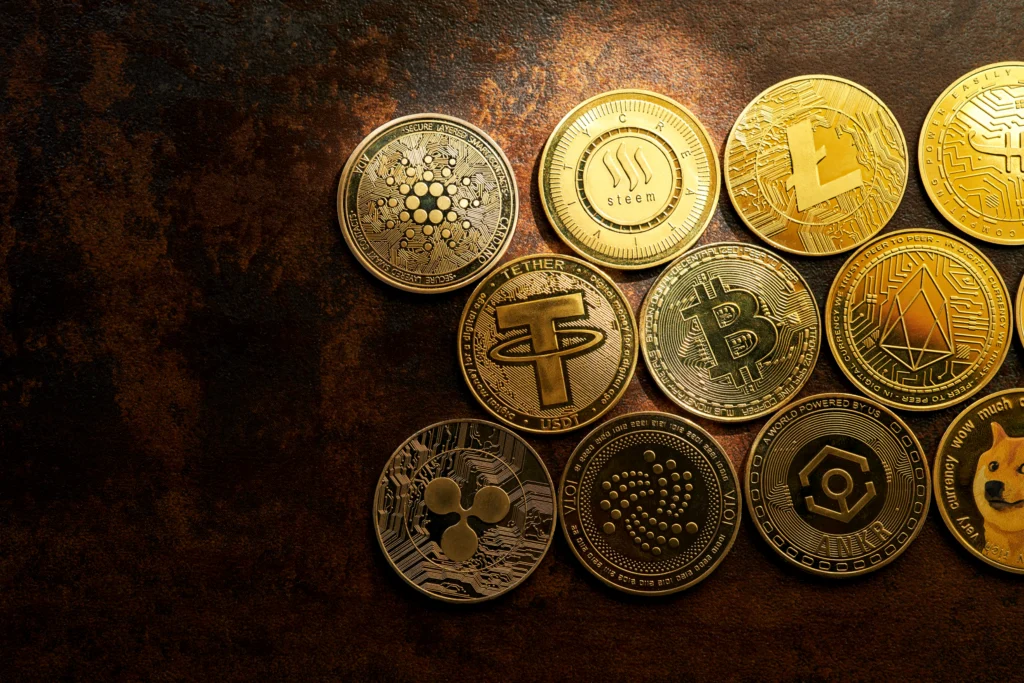
A Crypto IRA custodian is the backbone of your digital retirement account. They hold your crypto assets, make sure your account stays compliant with IRS rules, safeguard your private keys, process transactions, and manage tax reporting.
Because cryptocurrency operates on blockchain networks, custody is not the same as holding traditional assets. Your private keys determine ownership, and transactions cannot be reversed. Strong custody practices protect your assets and keep your IRA tax advantages intact.
This guide covers:
- What a Crypto IRA custodian does
- Why crypto needs specialized custody
- Security features that matter
- Fee structures and their long-term impact
- Supported cryptocurrencies
- IRS compliance requirements
- How to open and fund a Crypto IRA with IRA Financial
If you’re thinking about a Self-Directed IRA or Solo 401(k) for crypto investing, understanding custody is critical to investing freely and retiring confidently.
What Is a Crypto IRA Custodian?
A Crypto IRA custodian is a regulated financial institution responsible for holding retirement assets and keeping the required records according to IRS rules.
It’s important to distinguish between:
- Custodian, which maintains legal ownership records and ensures IRS compliance
- Trading platform or exchange, which facilitates cryptocurrency transactions
In a retirement account, assets must stay within a compliant custodial structure. Even in self-directed accounts, personally holding IRA-owned crypto can put your account’s tax advantages at risk.
For Crypto IRAs, a custodian typically:
- Safeguards private keys through approved custody partners
- Executes or facilitates trades
- Maintains accurate transaction ledgers
- Files Forms 5498 and 1099-R
- Helps prevent prohibited transactions
A qualified custodian reduces operational risk and keeps your account compliant.
Why Crypto Requires Specialized Custody
Crypto is different from traditional securities in one key way: control of the private key means control of the asset.
If private keys are lost or mishandled, your crypto could be gone forever. And blockchain transactions cannot be undone.
For retirement accounts, this means custodians need to implement:
- Structured key management processes
- Multi-step transaction approvals
- Separation of operational duties
- Clear audit trails connecting blockchain activity to IRA records
These safeguards protect your assets and keep your account IRS-compliant.
Key Security Features to Evaluate
Security is the foundation of crypto custody. When reviewing custodial options, focus on the operational structure rather than marketing language. Investors should look for multi-signature wallet controls, institutional custody partnerships, segregation of duties, independent audit attestations, insurance coverage disclosures, and documented cybersecurity procedures. Strong custody combines cryptographic safeguards with institutional oversight to protect your assets.
What Is Multi-Signature Security?
Multi-signature wallets require multiple approvals before any transaction can occur. A common setup is a 2-of-3 structure, which means two approvals are needed to move funds.
This reduces the risk of a single point of failure and strengthens governance.
Ask your custodian:
- Who controls each signature
- What approval thresholds are used
- What happens if a signer becomes unavailable
Shared authorization structures enhance asset protection.
Understanding Insurance Coverage
Insurance can provide financial recourse in some scenarios, like a custodial breach or operational failure.
Be sure to check for coverage limits, exclusions, and underwriter details. Insurance doesn’t eliminate risk, but it can reduce financial exposure in defined situations.
Cybersecurity Standards Matter
Reputable custodians maintain:
- SOC 1 or SOC 2 audit reports
- Regular penetration testing
- Employee access controls
- Incident response protocols
Ask for documentation. Transparency shows operational maturity.
Security Control Summary
| Security Measure | Implementation | Benefit |
|---|---|---|
| Multi-Signature | Multiple approvals required | Reduces unauthorized transfer risk |
| Institutional Custody | Regulated custody partners | Strengthens compliance structure |
| Insurance | Defined policy coverage | Financial protection for covered events |
| Independent Audits | SOC reports and third-party reviews | Validates operational controls |
Use this framework when comparing crypto IRA custodians.
Understanding Crypto IRA Fees
Fees affect long-term retirement growth. Even small differences compound over time.
Most crypto IRA fee structures include:
- Account setup fees
- Annual custody fees
- Trading commissions or spreads
- Asset-based fees in some models
Always get a written fee schedule and model the long-term impact.
Book a free call with a self-directed retirement specialist
- Review your self-directed retirement options
- Learn about investing in alternative assets
- Get all of your questions answered

IRA Financials’ Fee Structure
IRA Financial charges:
- $100 annually for account custody
- 1% per crypto trade
The flat annual fee stays the same no matter your account size. This makes costs predictable as your account grows.
For comparison, a 1% annual asset-based fee on a $250,000 account is $2,500 per year and rises as the account grows. Over time, percentage-based custody fees can significantly reduce compounding.
Trading fees should be considered based on expected activity. Long-term investors who trade infrequently may prefer transaction-based pricing for simplicity and transparency.
Supported Cryptocurrencies
Most Crypto IRA custodians support major assets like:
| Cryptocurrency | Ticker | Notes |
|---|---|---|
| Bitcoin | BTC | Highest liquidity and broad institutional support |
| Ethereum | ETH | Widely supported smart-contract platform |
| Select Additional Tokens | Varies | Based on liquidity and custody compatibility |
IRA Financial supports over 45 popular cryptocurrencies. Before opening an account, you should confirm asset availability, liquidity considerations, and platform trading capabilities.
IRS Compliance and Reporting
Cryptocurrency is treated as property for federal taxes. Within an IRA, this means:
- Trades are not taxed inside the account
- Contributions and distributions must be reported
- Prohibited transactions must be avoided
Custodians maintain compliance by:
- Keeping detailed transaction records
- Issuing Forms 5498 and 1099-R
- Coordinating digital asset reporting, including Form 1099-DA when applicable
Separating personal crypto holdings from IRA-owned assets is essential.
What Are Prohibited Transactions?
Prohibited transactions include:
- Transferring IRA crypto to a personal wallet
- Selling personally owned crypto to your IRA
- Receiving personal benefit from IRA assets
If this happens, the IRS could treat the entire IRA as distributed, triggering taxes and penalties. Always check with your custodian before attempting unusual transactions.
How IRA Financial Supports Crypto IRA Investors
IRA Financial provides self-directed retirement structures that let you invest in crypto while staying compliant.
Available structures include:
- Self-Directed Traditional and Roth IRAs
- IRAfi Crypto accounts
- Self-Directed Solo 401(k) plans
Key advantages:
- Flat $100 annual custody fee
- 1% trade fee
- Checkbook control options for eligible accounts
- Expert compliance and documentation support
- Transparent pricing
Investors retain control over decisions while IRA Financial manages the custodial and compliance framework.
Learn more about IRA Financial’s Crypto IRA platform here: https://www.irafinancial.com/retirement-accounts/individuals/crypto-ira/
How to Open and Fund a Crypto IRA
Opening a Crypto IRA with IRA Financial generally involves:
- Selecting the right account type
- Completing applications and identity verification
- Executing plan documents if required
- Funding via contribution, rollover, or transfer
- Placing trades through approved custodial channels
Proper documentation ensures your account keeps its tax-advantaged status at every step.
FAQ
Q: What does a Crypto IRA custodian do?
A: They hold retirement assets, safeguard private keys, process transactions, file IRS forms, and help prevent prohibited transactions.
Q: How much does IRA Financial charge for a Crypto IRA?
A: $100 annually for custody and 1% per crypto trade. No percentage-based annual asset fees.
Q: Are Crypto IRA custodians required by the IRS?
A: Yes. IRA assets must be held by a qualified custodian. Personal possession of IRA crypto can violate IRS rules.
Q: What cryptocurrencies can I hold with IRA Financial?
A: Over 45 popular cryptocurrencies.
Q: What is a prohibited transaction?
A: Transferring IRA crypto to a personal wallet, selling personal crypto to your IRA, or receiving personal benefit from IRA assets. Violations can trigger taxes and penalties.
Q: How do I open a Crypto IRA with IRA Financial?
A: Select the account type, complete documentation, fund the account, and place trades within the retirement structure. Begin here: https://www.irafinancial.com/retirement-accounts/individuals/crypto-ira/

About the Author
Adam Bergman is a tax attorney and the founder of IRA Financial, one of the largest Self-Directed IRA platforms in the United States. He has helped more than 27,000 clients take control of their retirement savings, overseeing over $5 billion in retirement assets. Adam is also the author of nine books focused on helping investors understand and confidently manage their retirement strategies.