

Cattle and Livestock Investing in a Self-Directed IRA

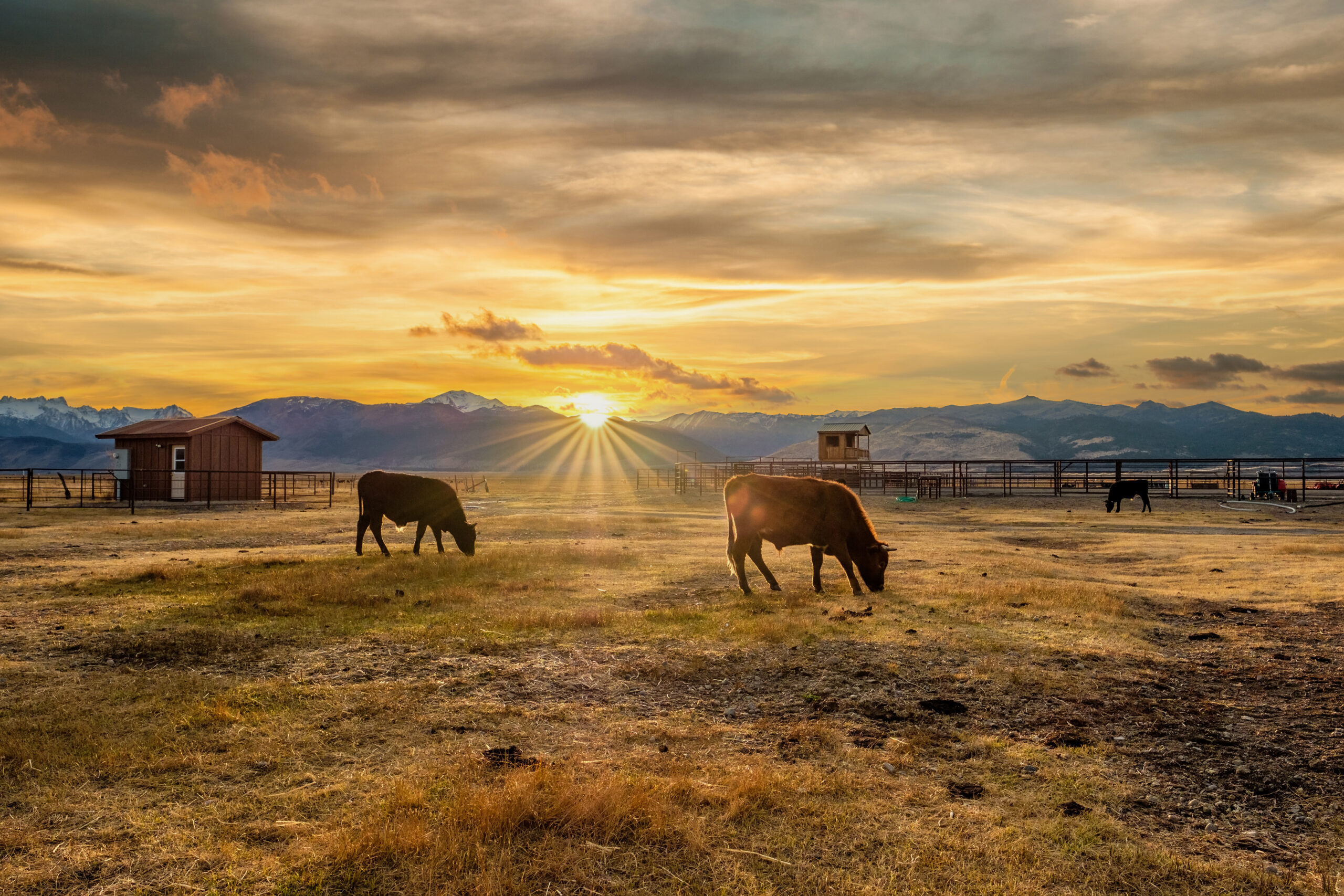
Every few months a rancher or farmer calls me to ask whether they can put cattle in their retirement account. They can. Livestock investing in a Self-Directed IRA is allowed, whether that means cattle, horses, or other animals, as long as the investment is handled through the IRA and the rules are followed. The catch is that the IRA, not you, has to be the owner, and the animals have to be cared for by someone who isn’t you or a disqualified person. Below I’ll cover the common ways to invest, the rules that apply, and the risks that are specific to livestock.
Key Takeaways
- A Self-Directed IRA can own cattle and other livestock directly, or through ranch partnerships, private placements, or secured notes.
- The IRA owns the animals and pays all costs, and a non-disqualified third party must care for them.
- Never provide the labor yourself, use the animals, or deal with disqualified persons.
- Raising and selling cattle is usually an active business, so direct herd ownership can generate UBTI even inside an IRA.
- Plan for illiquidity, animal and market risk, and a documented year-end valuation.
Ways to Invest in Cattle and Livestock in a Self-Directed IRA
Direct ownership. The IRA buys animals directly and pays a third-party rancher or feedlot to board, feed, and care for them. The IRA pays all costs and receives all sale proceeds. Upkeep must be outsourced to a party who isn’t disqualified.
Ranch or herd partnerships and LLCs. The IRA buys an interest in an entity that owns livestock or land, and a manager runs the operation. Make sure neither you nor a disqualified person controls the entity or is paid by it.
Private placements and funds. Some sponsors offer pooled cattle or agricultural investments. These are securities, so read the offering documents carefully and research the sponsor.
Notes secured by livestock or land. The IRA lends money to an unrelated rancher and takes the herd or the land as collateral. The IRA earns interest without owning or operating anything, which keeps the investment passive.
Farmland and grazing leases. The IRA can own farmland and lease it to an unrelated rancher who runs cattle on it. Cash rent from real property is generally excluded from UBTI, which makes this one of the cleaner ways to get agricultural exposure in an IRA.
The market backdrop explains some of the interest. As of January 1, 2026, U.S. farms held 86.2 million head of cattle and calves, according to the USDA, with beef cows down 1% from the prior year. A herd that small has kept supplies tight and prices high, but prices that rise on tight supply can also turn quickly once herds rebuild.
Rules to Follow
As with any Self-Directed IRA asset, the prohibited transaction rules under Internal Revenue Code Section 4975 apply, and a violation can cost the account its tax-advantaged status. For livestock, that means:
Book a free call with a cattle and livestock investing specialist
- Review your self-directed retirement options
- Learn about investing in alternative assets
- Get all of your questions answered
- Don’t care for the animals yourself. Feeding, breeding, and managing a herd your IRA owns counts as providing services to the IRA. Hire an unrelated rancher or feedlot, and have the IRA pay the bill.
- Don’t use or benefit from the animals. That rules out personal use, taking meat or animals for your own table, and running the IRA’s cattle with your personal herd.
- No dealing with disqualified persons. Your IRA can’t buy from, sell to, or lease with you, your spouse, your parents, your children and grandchildren, or entities any of them control. If your family runs a ranch, it can’t be the operator caring for your IRA’s herd.
- Keep all money in the IRA. All revenue and expenses must flow to and from the IRA, and you can’t touch the money personally.
- Keep it arm’s length. Transactions must be on market terms with unrelated parties.
- Document everything. Keep purchase agreements, care contracts, vet and feed invoices, brand registrations, and sale records.
This is the area where I see farmers and ranchers get into trouble, and it’s understandable. Everything that would be normal in their own operation, like working the cattle, mixing herds, or buying from a relative, is prohibited when an IRA owns the animals.
UBTI: The Tax Issue Most Livestock Investors Miss
An IRA is generally exempt from tax, but income from an active trade or business it conducts is unrelated business taxable income. Owning a herd, paying for its care, and selling calves or finished cattle on a regular basis looks a lot like operating a cattle business, even if a hired rancher does all the work. If the IRA’s net business income tops $1,000 in a year, it must file Form 990-T and pay tax at trust rates, which reach the top bracket quickly.
There are ways to manage this:
- Stay passive. Leasing farmland for cash rent or making secured loans to ranchers generally keeps the income out of UBTI.
- Use a blocker corporation. The IRA can invest through a C corporation that owns the cattle operation. The corporation pays corporate tax on its profits, and its dividends to the IRA aren’t UBTI. That’s often simpler than having the IRA file Form 990-T every year.
- Check the fund’s structure. If you invest through a partnership or private fund, ask whether it passes through business income on a Schedule K-1.
UBTI rules are fact-specific, so get tax advice on the structure before you buy, not after the first K-1 arrives.
Risks Specific to Livestock
- Animal and operating risk. Disease, drought, feed costs, weather, theft, and death can all reduce value. Ask whether the herd is insured and who bears the loss.
- Market risk. Cattle prices move with feed costs, supply, and demand. An IRA can’t easily wait out a long downturn while it keeps paying ongoing costs.
- Illiquidity and valuation. A herd or ranch interest isn’t priced daily, so the year-end fair market value your custodian reports needs a documented basis, such as recent sale barn prices for comparable animals.
- Cash flow. The IRA must pay feed, care, and insurance from its own cash, so keep a reserve inside the account.
- Counterparty and fraud risk. Custodians don’t vet investments or sponsors, so due diligence on the rancher or fund is your job. Be especially skeptical of cattle programs promising fixed, guaranteed returns.
Livestock carries the same tradeoffs as other alternative assets, which I cover in more detail in my look at the pros and cons of a Self-Directed IRA.
Final Thoughts
Livestock is one of the more unusual assets I see in Self-Directed IRAs, and for the right investor it can work well. It fits best for someone who understands the cattle business, can find a trustworthy unrelated operator, and structures the deal with UBTI in mind from day one. If you’d rather not deal with animals at all, owning farmland and leasing it to a rancher gives you agricultural exposure with far fewer moving parts. At IRA Financial, our in-house tax team regularly helps clients decide between direct ownership, a blocker, or a passive structure before any money moves.
This content is for educational purposes only and does not constitute legal, tax, or investment advice. Consult a qualified professional before making any investment decisions.

Related Articles
Self-Directed IRA Year-End Checklist (FMV, Form 5498)
Year-end is when Self-Directed IRA owners do the housekeeping that keeps an account compliant and the reporting clean. Alternative assets don’t have…
Oil and Gas Investments in a Self-Directed IRA
Energy is one of the oldest alternative investments around, and plenty of retirement savers want a piece of the cash flow that comes from oil and gas…


Why Self-Directed IRA Fees Really Matter
When investors evaluate retirement accounts, they typically focus on investment performance. They compare returns, asset classes, and market…
