


What is a Solo 401(k) Prohibited Transaction?
The Internal Revenue Code (IRC) & ERISA does not describe what a Solo 401(k) Plan can invest in, only what it cannot invest in. Internal Revenue…


How to Correctly Achieve Retirement Portfolio Diversity
Asset allocation has been a proven investment strategy for half a century. You can choose from several retirement plans, including the popular…

Solo 401k & ERISA – The Law
What is ERISA? The Employee Retirement Income Security Act of 1974 (ERISA), enacted September 2, 1974, is an American federal statute that…

Solo 401(k) vs. Self-Directed IRA
In terms of choosing the Solo 401(k) vs. Self-Directed IRA LLC, participants should choose the Solo 401(k) plan if eligible. The robust features of…

Can I Open a Solo 401(k) if I Have Job?
If you have a full-time job, but have a side business that earns self-employment income, then you will likely be able to adopt a Solo 401(k) Plan.…

What is the UBTI Tax Rate?
The UBTI tax rate is in existence to prevent tax-exempt entities from competing unfairly with taxable entities. Tax-exempt companies are subject to…

Using a Solo 401(k) to Avoid UBIT for a Real Estate Investment Fund
Internal Revenue Code (IRC) Section 514 requires debt-financed income to be included in Unrelated Business Taxable Income, also known as UBIT or…

Solo 401k Eligibility & Plan Setup
Solo 401(k) Eligibility If you’re a business owner with no full-time employees, or you earn self-employment income, you can establish a Solo…
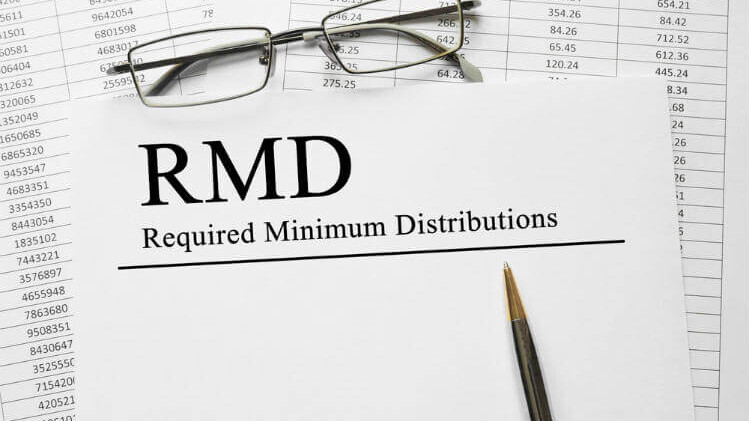
Taking RMDs from Retirement Accounts
As we approach the end of the year, it's time to start getting your retirement accounts in order. There are certain things you must do,…

Solo 401(k) Paperwork – What You Need to Know
The amazing thing about technology is that you do not have handle any of the paperwork for your Solo 401(k) plan. IRA Financial has an app…
