

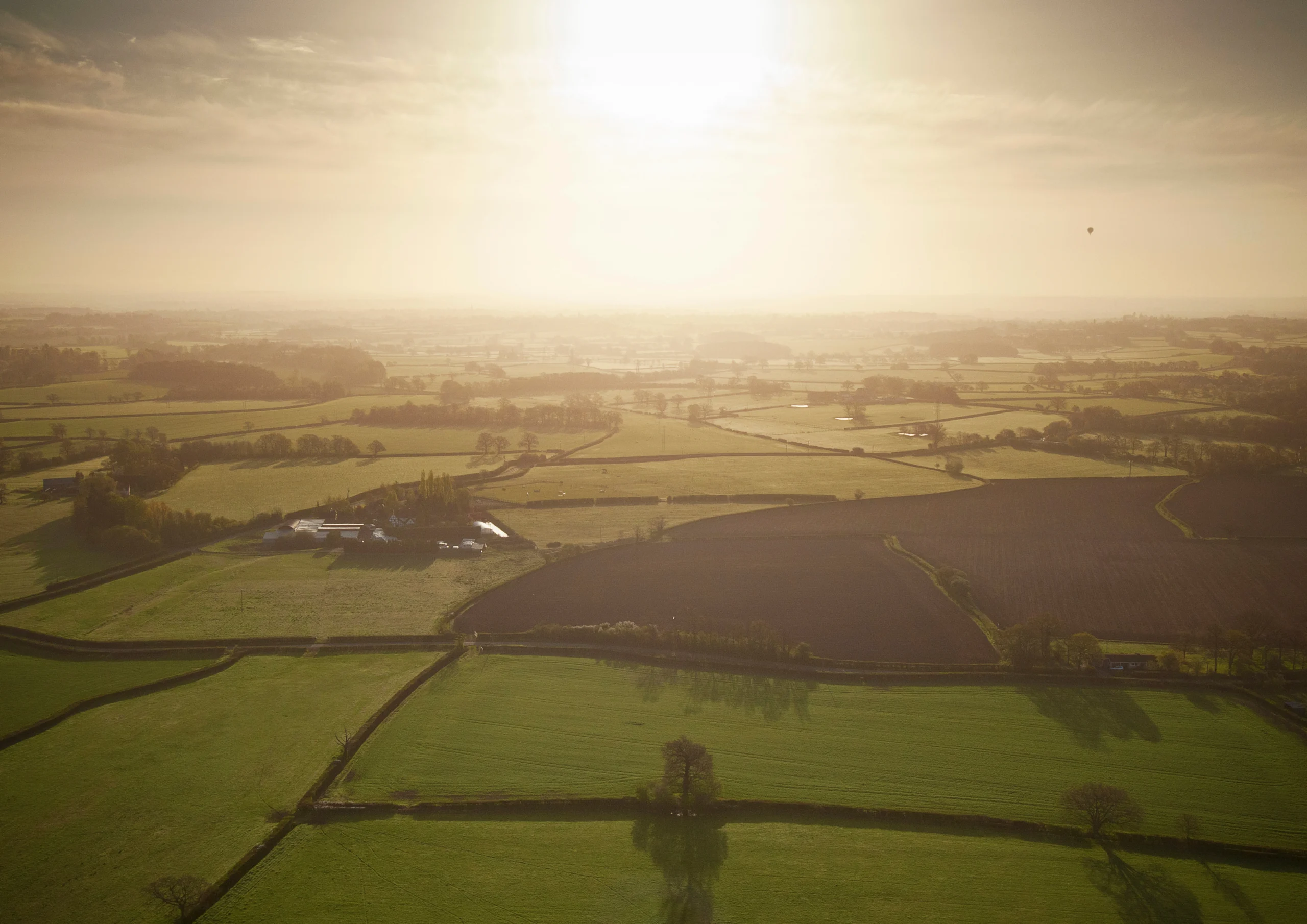
Top Farmland Investing Platforms in 2026: A Guide for Investors
Farmland investing is becoming an increasingly popular alternative asset. It offers steady income, long-term growth, and diversification outside of the usual stocks and bonds. In this guide, we will highlight the top farmland investing platforms based on fees, reputation, offerings, performance, and investor requirements. The platforms are listed in no particular order. We will also cover why farmland is an important asset class, who it’s best suited for, potential risks, and how to invest through a Self-Directed IRA with IRA Financial.
Why Farmland Investing Matters
Farmland is more than just dirt and crops. It has historically provided steady returns, acted as an inflation hedge, and shown low correlation with traditional markets. Research shows that farmland values combined with agricultural income can produce solid long-term returns, often more stable than stocks during economic ups and downs. Limited supply and growing global food demand make farmland even more appealing.
Key Advantages
- Tangible asset with intrinsic value
- Portfolio diversification outside of stocks and bonds
- Potential income through lease payments or crop yields
- Hedge against inflation as land values and crop revenues often rise with inflation
Risks and Considerations
Farmland investing is not without challenges.
- Farmland is usually illiquid and often requires a long holding period of five to ten years or more
- Crop yields can be affected by weather and climate conditions
- Some platforms require high minimum investments, often targeting accredited investors
- Most investments are passive, so investors rely on managers to handle operations and leasing
Top 5 Farmland Investing Platforms
AcreTrader – Access to U.S. Farmland
Best for: Accredited investors looking for diversified farmland investments
AcreTrader offers fractional ownership in row crops, permanent crops, and timber. Fees include an annual management fee plus transaction fees. While the minimums are higher, the platform allows investment through a Self-Directed IRA. AcreTrader stands out for its rigorous due diligence and clear structure for passive farmland income and potential appreciation.
FarmTogether – Flexible Farmland Structures
Best for: Long-term investors and retirement accounts
FarmTogether offers multiple investment options including crowdfunding and farmland funds. Accredited investors can invest through Self-Directed IRAs with partner custodians. Returns typically range from 6-13% with quarterly distributions. FarmTogether is popular for its combination of tax-advantaged retirement investing and diversified crop exposure.
Steward – Regenerative and Accessible
Best for: Retail investors seeking entry-level agriculture exposure
Steward focuses on loan-based investments that support regenerative farms. Minimums can be as low as $100. While investors do not own the land directly, they receive income from loan interest payments. Steward is a good option for people who want agricultural exposure without a large capital commitment.
Harvest Returns – Diverse Agriculture Opportunities
Best for: Investors seeking variety beyond traditional farmland
Harvest Returns offers both debt and equity opportunities across different agricultural projects, including greenhouses, livestock, and specialty crops. Minimums are lower than classic farmland platforms, usually around $5,000. The platform is appealing for investors who want diversified exposure to agriculture without committing to a single property.
FarmFundr – Farmer-Driven Investments
Best for: Accredited investors looking for hands-on farmland returns
FarmFundr provides equity ownership opportunities tied to crop income and land appreciation. It offers an alternative to purely crowdfunded platforms by providing a model closer to traditional farmland investment.
Book a free call with a self-directed retirement specialist
- Review your self-directed retirement options
- Learn about investing in alternative assets
- Get all of your questions answered
Farmland and Self-Directed IRAs
Farmland aligns naturally with retirement investing because it’s a long-term asset. Investing through a Self-Directed IRA provides tax advantages, including tax-deferred growth for traditional IRAs or tax-free growth for Roth IRAs. With a Self-Directed IRA or a Self-Directed IRA LLC through IRA Financial, you can invest directly in farmland platforms or even purchase land privately while maintaining IRS compliance.
It’s important to remember that Self-Directed IRAs cannot allow personal benefit from the assets, and all income and expenses must flow through the IRA. Following IRS rules carefully is critical.
Bottom Line
Farmland is not a mainstream investment, but it offers strong potential for income, diversification, and inflation protection.
It’s particularly well-suited for long-term retirement investors.
Using a Self-Directed IRA through IRA Financial allows you to take advantage of these opportunities while keeping your retirement savings tax-efficient.
The Next Step with IRA Financial
Investing in farmland and other alternative assets can be a powerful way to grow your retirement portfolio. Request a consultation with an IRA Financial new accounts specialist to learn how you can invest in farmland within a Self-Directed IRA. Take control of your retirement and explore alternative investment opportunities today.
This article is provided for informational purposes only and does not constitute investment, tax, or legal advice. Any rankings, ratings, or opinions expressed reflect the views of IRA Financial based on internal research, listed criteria, and publicly available data at the time of publication. Rankings are subjective and may not be suitable for all investors. Readers should independently evaluate all options and consult with qualified advisors prior to making financial decisions.
Farmland Investing FAQs
Do I need to be accredited to invest?
Many platforms require accredited status, though some, like Steward, allow non-accredited investors to participate.
Can I invest in farmland through my IRA?
Yes. Self-Directed IRAs allow investment in farmland and other alternative assets while keeping the tax benefits of a retirement account.
Is farmland liquid?
Generally no. Farmland investments are long-term and illiquid, so investors should plan for multi-year horizons.

Related Articles



Why Self-Directed IRA Fees Really Matter
When investors evaluate retirement accounts, they typically focus on investment performance. They compare returns, asset classes, and market…

Carried Interest in Your Roth IRA: What Investment Professionals Need to Know
For private equity managers, venture capital sponsors, real estate syndicators, and hedge fund managers, a carried interest is often the most…

4 Ways to Fund a Self-Directed Roth IRA in 2026
The Self-Directed Roth IRA has become one of the most sought-after retirement structures available to investors who want both tax-free growth and…